Conception Island National Park
est. 1978
About
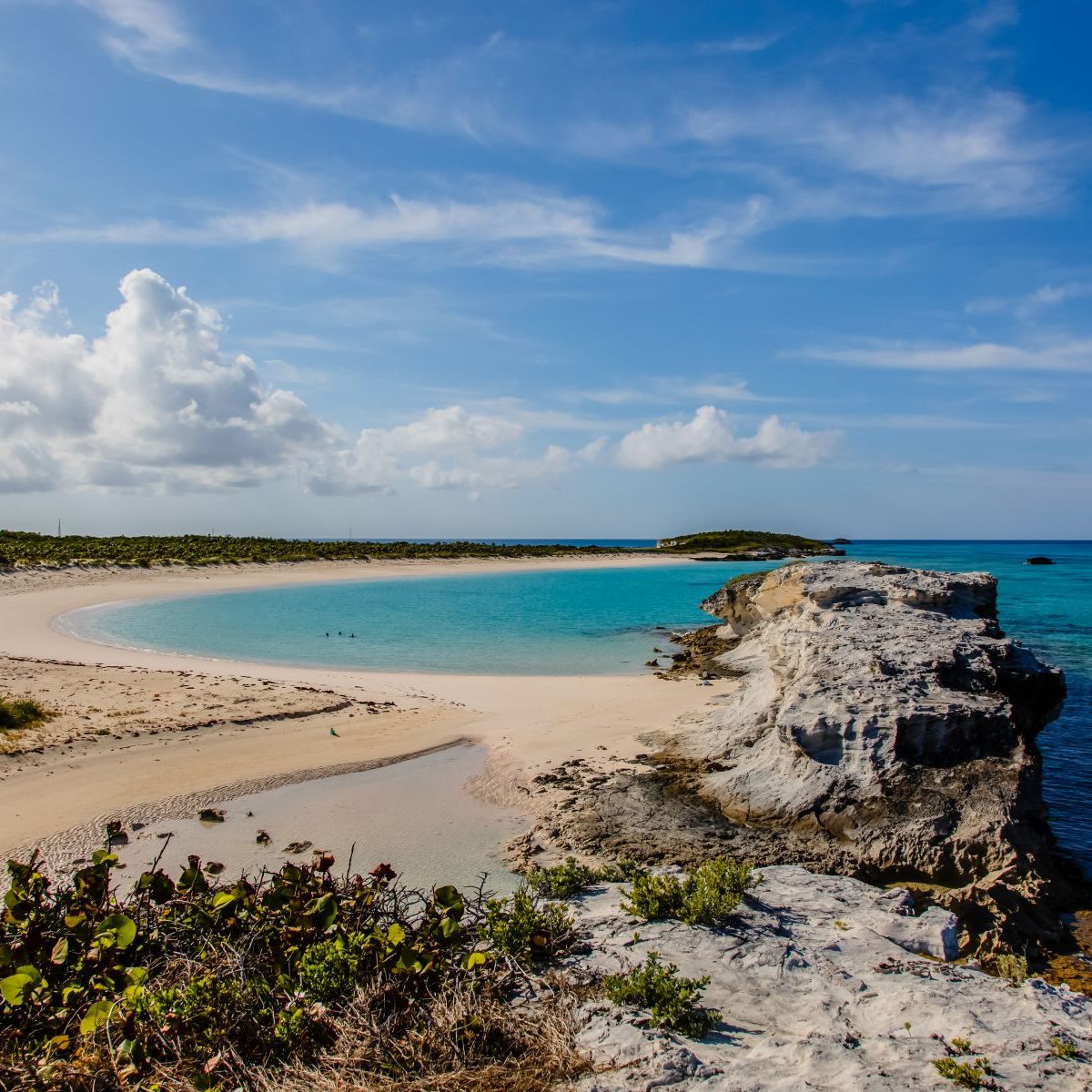
Conception island and its surrounding waters are protected in the 30,000 acre Conception Island national park. Established in 1978, this national park protects miles of pristine pink sand beaches, gorgeous sandstone cliffs, healthy mangroves and an abundance of wildlife on land and in the sea. It’s incredible beauty and healthy ecosystems can be attributed to the fact that humans haven’t lived on this island in 100 years.

Moorings
This park has moorings available.

Wilderness
This park has little to no infrastructure and trail systems, there is no one on guard.
Only accessible by boat.
SECLUDED SANCTUARY.
Infrequently visited by humans, wildlife and ecosystems on Conception Island are what most of The Bahamas would look like without human habitation. This small island rises out of the Atlantic ocean and sits on it’s own shallow bank. Conception Island and its surrounding marine environment are protected under the park boundaries.
The main island, Booby Cays, and South Rocks are home to an extraordinary amount of wildlife, many of which are threatened or endangered species. Long tail tropic birds, sooty terns, oyster catchers, and ospreys nest on the island and surrounding cays. The center of the island is a large mangrove and creek habitat and an important nursery for fish, sharks, conch, and crawfish. Green turtles forage in the creek, off the southwestern shore, and in the northern bay. The coral reefs and grass flats in the surrounding sea are unusually healthy and are home to an abundance of sea life.
Conception Creek
This creek is part of a magnificent mangrove system. The only opening is about two-thirds of the way south on the western shore. The channel into the creek changes with the shifting sand bars, and the entrance can become untenable in westerly winds and swells, so mariners should approach with caution. The tide follows Nassau by about an hour and a half.
Near high tide the navigable water for dinghies runs about a mile into the mangrove flats, and there are several arms off the main channel. Take your time and bring a camera. A drift dive out of the creek at the beginning of the ebb is a beautiful experience.
There is a speed limit of 4 knots inside the creek, and visitors are asked not to harass the turtles or other wildlife.


On land and in the sea, the ecosystems are teeming with wildlife. The national park here was established in 1964 and the island hasn’t human habitation since the very early 1900s. It is believed that was a small fishing and farming community established here long ago. Remains of a stone wall and buildings near the south end of the West Bay anchorage support this belief.
There are 3 moorings installed in this national park for larger boats to utilize. There are robust coral reefs surrounding the island that make great diving and snorkeling spots. However, exercise extreme caution when entering the water. There is no shelter in the nearby distance, so swells can become large and raging. Most of the island’s interior is mangrove flats and creeks that provide important nesting areas for green turtles, sharks, conch and other important marine species. There are hiking trails that lead to a number of pristine beaches, tidal pools, and limestone cliffs.
HISTORY
Unspoiled Beauty.
Conception Island is sometimes regarded as one of the most pristine islands in The Bahamas. This park encompasses a four-and-a-half-square-mile uninhabited island surrounded by its own shallow bank just north of Rum Cay. The island was one of the first landfalls of Columbus in the New World and is an important sanctuary for migratory birds and green turtles, as well as a breeding site for a variety of seabirds. With its healthy ecosystems, cruisers frequently visit Conception Island. Very little is known about the history of the island, but ruins on the island indicate that people once lived there as far back as the 1900s.

Reddish Egret, Conception Island National Park.
The ruins of five buildings are located between West Bay and the mouth of the creek on a hill overlooking Long Island. The ruins are constructed of native mortar, limestone, and shells. These buildings housed a small settlement of people who probably lived on the island in the early 1900s. Very little is known about this settlement. There could not have been much farming, but there would have been sufficient fresh water and sea life, plus turtle and bird eggs, to sustain a few families.

Historical ruins in Conception Island National Park.
In 1969 the Bahamas National Trust (BNT) had the well on Conception Island excavated and cemented to provide a source of water. The well is located on the western side of the island, approximately half a mile north of creek entrance. The sides of the well are raised above ground level to prevent sand filling the well during rains and a sloped approached makes it easily accessible to birds. This well has been used for many years by fishermen, but prior to the work of the BNT it always filled with sand and had to be cleaned out on each visit, so it was of little use to birdlife. Initially the Bahamas National Trust was granted a two year lease for Conception Island in July 1st, 1971. The Government explained that the lease would be extended in perpetuity pending a review of the Bahamas National Trust Act, 1959 in order to make it as beneficial as possible to the entire Commonwealth of the Bahama Islands and more effective for the purposed for which it was intended- by introducing, among others, provisions in the act for the protection of the flora and fauna within park areas set aside for conservation, wildlife reserves, parks, etc.

Mangroves in crystal waters at Conception island.
COMING SOON:
Stories About Conception Island
Become a member

Your membership matters.
Help to create a strong voice for conservation, while enjoying special membership benefits.
Volunteer

See available volunteer opportunities.
See available volunteer opportunities.